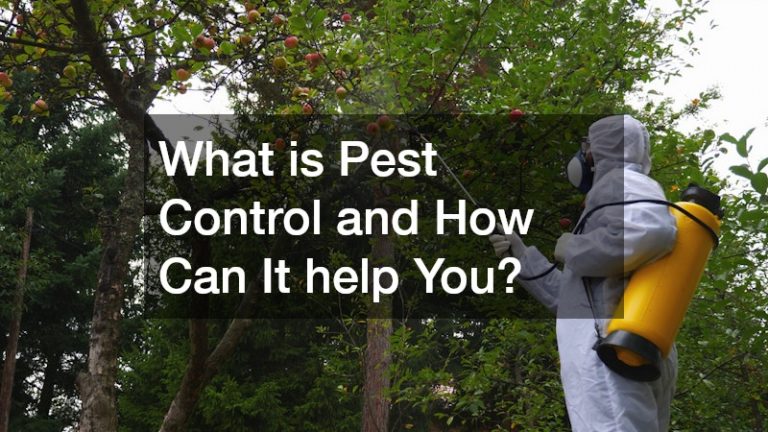
Pest control refers to the management and regulation of a species defined as a pest. A pest is any organism that negatively affects human activities or the natural environment. This typically involves methods such as physical removal, chemical treatments, and biological controls to prevent and address pest infestations effectively.
The primary goal of pest control is not only to eliminate pests but also to prevent future outbreaks. As such, pest control is crucial for maintaining a healthy living and working environment.
The presence of pests in any setting can pose a variety of problems, from health risks to structural damage. For instance, rodents and insects can transmit diseases; termites can eat away at the wooden structure of your home, causing significant damage over time. Managing these pests is essential to prevent costly damages and potential health hazards. Regular pest control services can provide peace of mind by maintaining a safe environment. Homeowners and businesses need to adopt both preventive and responsive pest control strategies.
Pest control methods have evolved significantly over the years with advancements in technology and a greater understanding of pest behaviors. Integrated pest management (IPM) has become a popular approach, which combines multiple methods for more effective and sustainable pest control. It emphasizes minimizing chemical use, utilizing eco-friendly alternatives, and focusing on long-term prevention techniques. This approach not only addresses the pests but also considers human and environmental safety. Pest control specialists play a key role in guiding and implementing these strategies for effective pest management.
Types of Pest Control Methods
There are various pest control methods available, each suited to different pests and situations. Chemical pest control involves the use of pesticides, which are powerful substances designed to kill or repel pests. They can be applied to various surfaces, including floors, walls, and even plants, to eliminate pests efficiently. While effective, caution is required to prevent potential harm to non-target organisms and human health due to exposure. Pesticides have to be used according to strict guidelines and regulations to ensure safety and environmental protection.
Biological control mechanisms play an important role in regulating pest populations. This method involves using natural predators or diseases to control pest infestations. For example, ladybugs can be used to keep aphid populations in check, while certain fungi can target specific insect pests. Biological control is often favored in agricultural settings where maintaining ecological balance is crucial. By promoting natural pest predators, this method reduces reliance on chemical pesticides and helps protect the environment.
Benefits of Pest Control
Pest control presents numerous advantages, contributing to healthier environments and improved quality of life. One of the primary benefits is the prevention of disease transmission. Pests like mosquitoes, ticks, and rodents can carry harmful diseases that pose severe health risks to humans and animals. Effective pest control measures can significantly reduce or eliminate exposure to these diseases. Regular pest management ensures that homes and businesses remain safe and hygienic spaces.
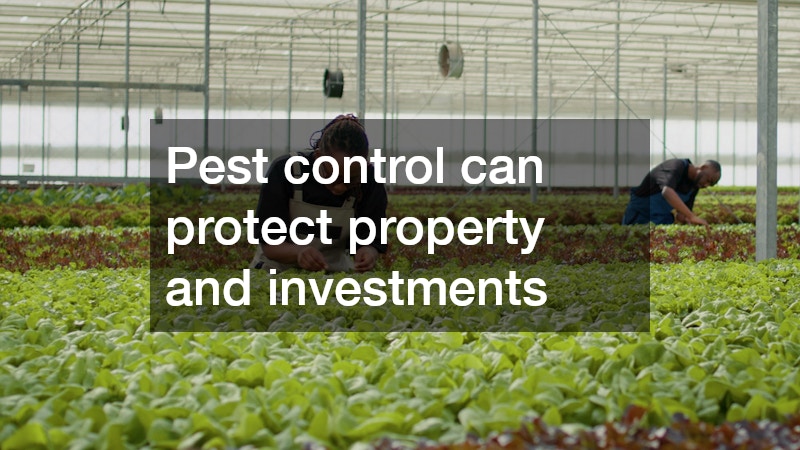
In addition to health benefits, pest control can protect property and investments. Structural damage caused by pests like termites can result in costly repairs if not addressed promptly. Pest control services can help detect and manage infestations early, potentially saving property owners thousands of dollars in repair costs. Preserving the structural integrity of buildings is essential for maintaining their value and safety. Regular inspections and treatments are essential components of comprehensive pest management.
How to Choose a Pest Control Service
When selecting a pest control service, it’s important to consider several factors to ensure efficacy and safety. First, research the company’s reputation and experience level in dealing with specific pest problems. Checking reviews and asking for referrals can provide insight into the quality of service you can expect. Make sure the company adheres to established safety standards and uses approved pest control methods. Transparency about their approach and verifying licensing and insurance are also essential considerations.
It’s crucial to understand the pest control methods and products that will be used in your situation. Discuss potential health and environmental implications and ensure that the service prioritizes eco-friendly and least toxic solutions. An ideal pest control strategy should align with integrated pest management principles, emphasizing the use of preventative methods and minimal chemical interventions. This approach not only tackles current pest issues, but also establishes a sustainable preventive framework.