
A well-planned outdoor area gives children a place to move, explore, imagine, and spend more time away from screens. It can also become one of the most useful parts of a family home, providing room for playdates, quiet afternoons, meals, celebrations, and everyday relaxation. The challenge is creating a yard that feels exciting to children without becoming difficult to supervise, maintain, or adapt as family needs change.
The most successful family yards are not simply filled with play equipment. They are designed as connected spaces where children can move safely between activities while adults can supervise without hovering. Comfortable seating, shade, visible boundaries, durable surfaces, healthy plants, and clear pathways all contribute to a yard that works well.
Homeowners do not need to complete every improvement at once. A thoughtful plan makes it possible to prioritize safety first, add useful features over time, and avoid spending money on changes that may later need to be removed. By considering how each area will be used, families can create an outdoor environment that remains attractive, practical, and enjoyable for many years.
Start With a Layout That Supports Easy Supervision
Before adding equipment or decorative features, study how children will move through the yard. A good landscape design should create clear activity zones while keeping the overall space visually connected. Parents or caregivers should be able to see play areas from the patio, kitchen window, or primary outdoor seating area. Tall hedges, storage sheds, and solid structures should not create hidden corners where supervision becomes difficult.
Begin by identifying the safest portion of the property for active play. It should be away from driveways, streets, swimming pools, utility equipment, grills, and steep slopes. If the yard has several elevation changes, use the flattest section for running, games, and playground equipment. Quieter spaces, such as reading areas or small gardens, can be placed closer to natural shade or along the edges of the yard.
Well-planned landscaping can also direct movement. Low plantings, changes in ground material, and curved borders can separate active and passive zones without making the yard feel divided. Keep fragile plants away from ball-play areas, and avoid placing narrow decorative beds where children are likely to cut through them.
It is also helpful to consider future needs. A sandbox may eventually become a seating area, while an open lawn may later support sports practice or gatherings. Flexible zones make it easier to adapt the yard as children grow.
Keep Shade Trees Healthy and Free From Hazards

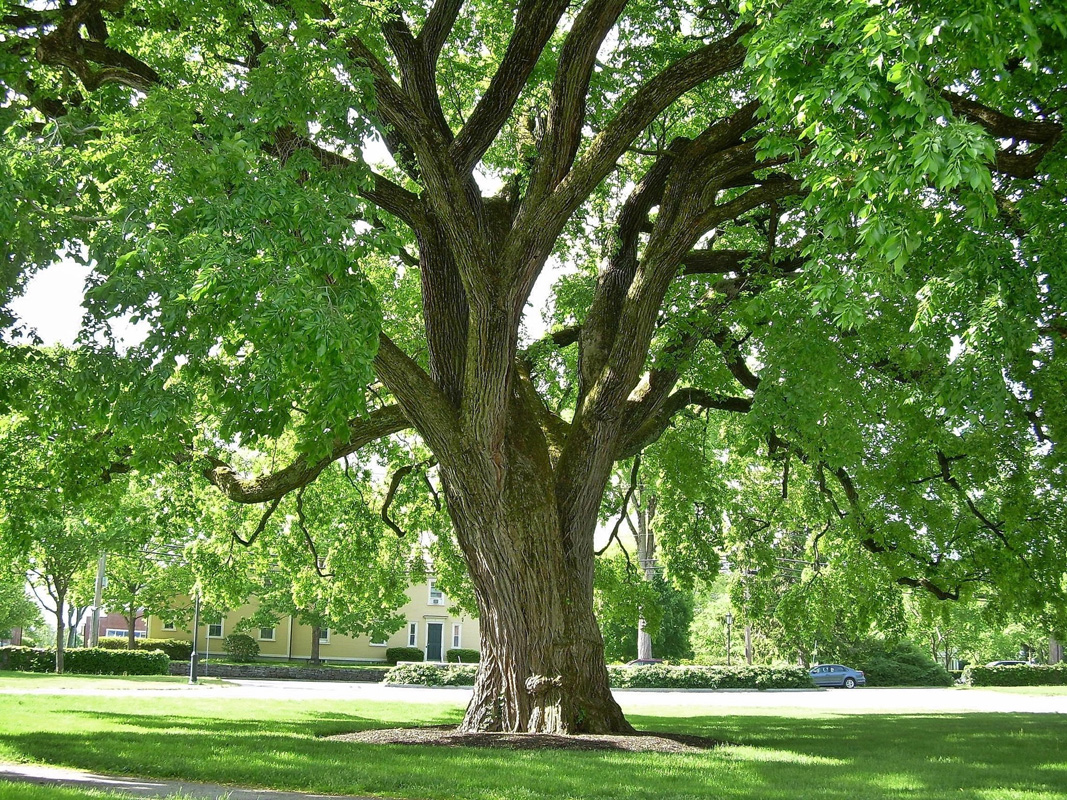
Mature trees can be one of the most valuable features in a family yard. They provide natural cooling, reduce sun exposure, and create comfortable places for children to rest. However, trees near play areas, walkways, or seating zones should be inspected regularly for broken limbs, decay, weak branch attachments, and signs of disease.
Routine tree trimming can reduce the risk of falling branches and improve visibility beneath the canopy. Low limbs that children could run into may need to be raised, while dead or damaged branches should be removed before storms make them unstable. Cutting should be completed carefully, since improper pruning can weaken the tree or create long-term structural problems.
Professional tree services may be necessary when branches extend over a roof, play structure, fence, or utility line. Large limbs should never be removed without proper equipment and experience. A qualified professional can also identify internal decay, root damage, or pest activity that may not be obvious from the ground.
Parents should also discourage children from climbing trees that have weak branches, narrow trunks, exposed roots, or nearby hard surfaces. If climbing is allowed, choose a healthy tree with sturdy lower limbs and provide close supervision. The ground beneath it should be soft and free from rocks, tools, and other objects that could increase injury risk.
Annual inspections, especially after severe weather, help preserve shade while keeping the area below safer.
Add Comfortable Gathering Areas Near Play Zones
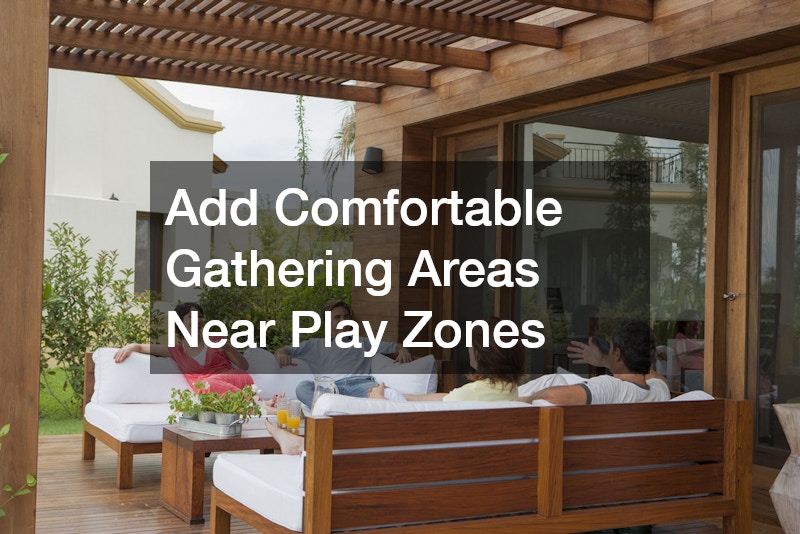
Children are more likely to use an outdoor area regularly when adults feel comfortable spending time there too. Creating a shaded gathering space close to play zones allows parents to supervise while reading, working, eating, or talking with guests. The area should be near enough for clear visibility but far enough from active play to avoid constant interruptions from balls, scooters, or running children.
A screen patio can provide protection from insects, light rain, and direct sun while still maintaining a connection to the yard. It may be especially useful in regions where mosquitoes or other pests often limit outdoor time. Screens also create a defined boundary for younger children, although doors and latches should be checked to make sure they close securely.
Families considering patio installation should select materials that remain comfortable, stable, and slip-resistant. Highly polished surfaces may become slick when wet, while dark materials can become extremely hot in direct sunlight. Rounded furniture edges, washable cushions, and sturdy tables make the space more practical for daily family use.
Place seating so adults face the main play area rather than turning their backs toward it. Include enough room for a stroller, storage bench, or portable high chair if needed. Outdoor fans, curtains, umbrellas, or shade sails can improve comfort, but each item should be anchored properly.
A gathering space does not have to be large. Even a modest seating area can become the center of outdoor family life when it is comfortable, visible, and easy to access.
Build Clear Paths With Safe, Stable Surfaces
Children often run between the house, lawn, garden, and play areas without paying attention to changes in elevation or surface texture. Clear paths reduce random foot traffic, protect planted areas, and help prevent slips or falls. They are especially useful in yards with gates, storage areas, multiple seating zones, or uneven ground.
During walkway installation, routes should be wide enough for two people to pass comfortably and smooth enough for small bicycles, wagons, or strollers. Avoid sudden steps whenever possible. Where elevation changes are unavoidable, use gentle slopes, visible edges, and adequate lighting.
Materials should be chosen for both appearance and safety. Textured pavers, brushed concrete, and tightly fitted stones usually provide better traction than polished tile. Loose gravel can shift underfoot and may not be ideal for toddlers or children who use mobility equipment. Wood surfaces require regular inspection for splinters, rot, and loose fasteners.
Professional hardscaping services can help correct drainage problems and create a stable foundation beneath paths. Poorly prepared surfaces may settle, crack, or collect water, leading to tripping hazards. Proper grading should direct runoff away from play spaces and prevent puddles from forming along common routes.
Paths can also make a yard more engaging. A curved route through a garden, stepping-stone loop, or painted balance trail can encourage movement and imaginative play. Decorative features should remain low-profile and easy to see so they do not become unexpected obstacles.
Select Plants That Are Safer for Young Children
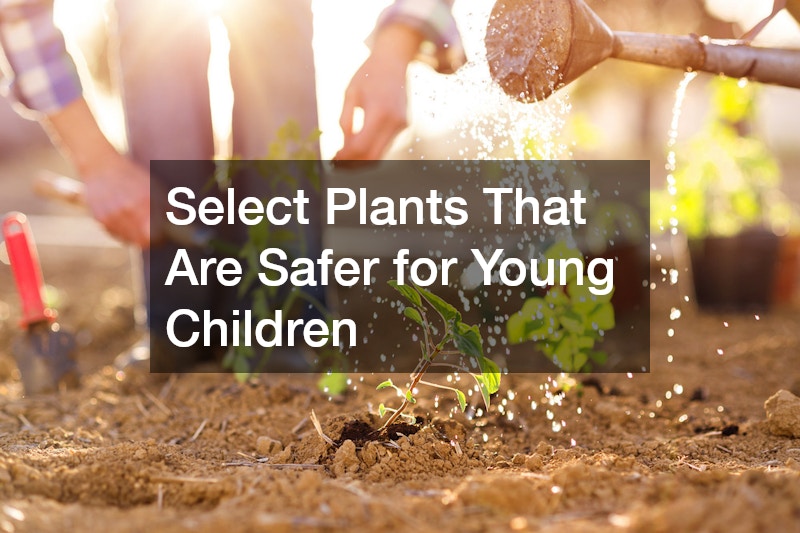
Plant choices affect far more than appearance. Children may touch leaves, pick berries, dig in soil, or put plant material in their mouths, especially when they are young. Before adding new plants, research whether they are toxic, irritating, thorny, or likely to attract large numbers of stinging insects.
A local garden center can recommend plants suited to the region’s soil, rainfall, sunlight, and temperature patterns. Native and climate-appropriate plants often require less water and maintenance, which makes them practical for busy families. Ask specifically about non-toxic options for areas near sandboxes, patios, playhouses, and paths.
Avoid placing thorny roses, sharp ornamental grasses, cacti, or plants with stiff pointed leaves beside active zones. Plants that produce slippery fruit, heavy seed pods, or messy debris may also be unsuitable near hard surfaces. Fragrant herbs, sunflowers, soft ground covers, and easy-to-grow vegetables can make the yard more interactive without creating unnecessary risks.
A landscaping contractor can help organize planting areas so children have room to explore without damaging delicate beds. Raised planters are useful for family gardening because they create visible boundaries and make planting easier for both children and adults. Edible gardens should be placed away from treated lawns, pet waste areas, and runoff from driveways.
Teach children not to eat anything from the yard without adult permission. Even edible plants may be unsafe if they have been treated with chemicals or confused with a different species. Clear rules, labels, and supervision make gardening more educational and enjoyable.
Create Flexible Play Areas That Change Over Time
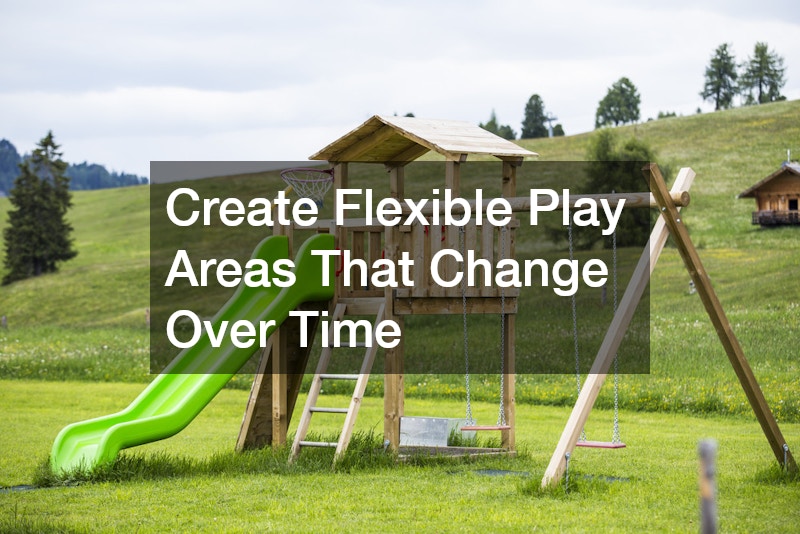
Children’s interests and abilities change quickly, so permanent features should be chosen with care. A large fixed structure may be exciting for a few years but become unused as children grow. Flexible spaces give families more options and can reduce the need for major renovations later.
Start with an open area for running, throwing, kicking, and group games. Portable goals, cones, tunnels, water tables, and playhouses can be moved or stored as needed. A flat lawn or resilient play surface can support many different activities without forcing the yard into a single purpose.
For younger children, consider sensory features such as sand, water, chalk surfaces, musical objects, and small gardening tools. Older children may prefer sports areas, hammocks, climbing features, or outdoor tables for art and homework. A simple pergola or platform can shift from pretend-play space to teen seating as the family changes.
Play equipment should be positioned with adequate clearance on all sides. Swings, slides, and climbing structures require appropriate protective surfacing beneath and around them. Grass alone may not provide enough impact protection in high-use areas. Engineered wood fiber, rubber tiles, or other approved materials may be more suitable, depending on the equipment and installation requirements.
Storage is also important. Weather-resistant bins or benches keep balls, toys, helmets, and tools from becoming tripping hazards. Make storage easy for children to reach so cleanup becomes part of the routine.
Make Boundaries, Gates, and Water Features More Secure
A secure boundary gives children freedom to play while reducing the risk of wandering into streets, neighboring properties, pools, or unsafe areas. Inspect fences for gaps, loose boards, sharp edges, and climbable features. Openings should be small enough that young children cannot squeeze through or become trapped.
Gates should close and latch automatically when possible. Latches should be positioned out of reach of small children but remain easy for adults to operate during an emergency. Avoid placing benches, planters, or storage boxes beside fences because children may use them as climbing steps.
Water features require particular attention. Pools should have barriers that meet local safety requirements, along with secure gates and alarms where appropriate. Even shallow ponds, fountains, buckets, and water tables can be dangerous to young children. Empty portable containers after use and maintain direct supervision whenever water is accessible.
Grills, fire pits, outdoor heaters, and cooking areas should also be separated from play zones. Create a clear no-play boundary around hot surfaces and store fuel, matches, and tools securely. Fire features should not be placed beneath low branches or near materials that can melt or ignite.
Boundaries do not need to feel harsh or unattractive. Decorative fencing, low walls, planting borders, and changes in surface material can guide children while supporting the overall appearance of the yard.
Bringing Safety, Comfort, and Beauty Into Balance
A child-friendly yard should make outdoor play easier, not create constant worry or maintenance demands. The best results come from considering supervision, movement, comfort, durability, and long-term flexibility before choosing individual features. Open sightlines, secure boundaries, stable surfaces, healthy shade, thoughtful planting, and organized storage all contribute to a space that works for both children and adults.
Families can begin with the most important safety concerns and improve the yard gradually. Fixing a loose gate, removing a hazardous branch, creating a shaded seating area, or clearing a safe route may have a greater impact than installing an expensive feature without a larger plan.
As children grow, the outdoor space should be able to grow with them. Areas once used for toddler play can become gardens, gathering spaces, or places for older children to relax. Flexible planning helps the property remain useful long after specific toys or structures are gone.
A beautiful family yard is not one that looks untouched. It is one that invites movement, curiosity, conversation, and shared time. With careful planning and regular upkeep, an outdoor space can support childhood memories while remaining safe, welcoming, and practical for the entire household.