Developing a raw piece of land or transforming a residential lot into a fully functional property is one of the most rewarding endeavors a property owner can undertake. However, behind every beautiful home, stable driveway, and lush landscape lies a massive, complex network of engineered site work. Site work is the invisible backbone of civil construction. It encompasses everything that happens to a parcel of land before, during, and immediately after structural building takes place—from clearing dense brush and leveling soil to establishing deep water utilities, pouring concrete footings, and surfacing access roads.
When property owners rush into construction without a thorough site preparation strategy, the consequences are almost always severe and expensive. Improperly compacted soil causes home foundations to crack and settle. Poorly planned site grading channels stormwater directly into crawlspaces or washes out expensive driveways. Misjudged utility placement can lead to accidental line strikes, contaminated water supplies, or thousands of dollars in emergency relocations.
Succeeding in residential or rural land development requires a systematic, phased approach. By treating your land as an integrated system—where vegetation removal, soil dynamics, water management, concrete masonry, and surface paving all depend on one another—you can eliminate costly surprises, keep your budget intact, and build a resilient property that stands the test of time.
Land Clearing & Brush Management
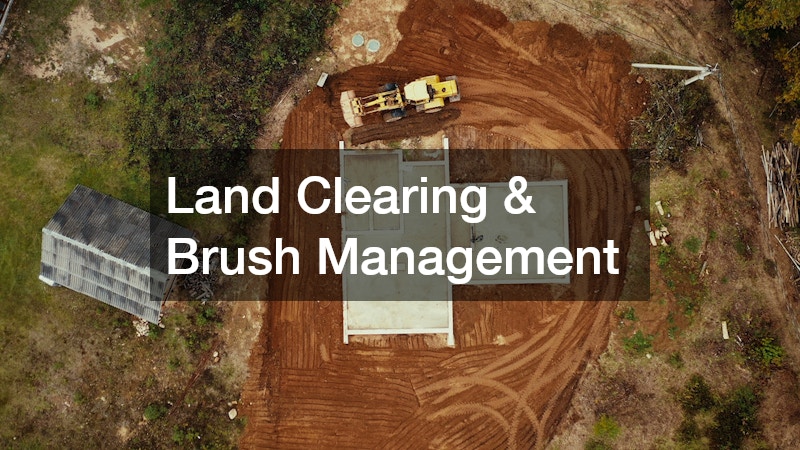
The first physical phase of transforming any raw or overgrown parcel is land clearing. Before heavy construction machinery can excavate foundations or cut road beds, the surface of the land must be cleared of thick brush, dead timber, invasive weeds, and obstructive root structures. However, effective land clearing is much more than simply bulldozing everything in sight. Smart development requires strategic vegetation management that balances site access with environmental protection.
Surveying Boundaries and Protecting Natural Assets
Before initiating any clearing operations, a professional property survey must be completed to locate precise boundary markers, utility easements, and protected environmental buffers. Clearing past property lines or disturbing protected wetlands can result in heavy regulatory fines and project halts.
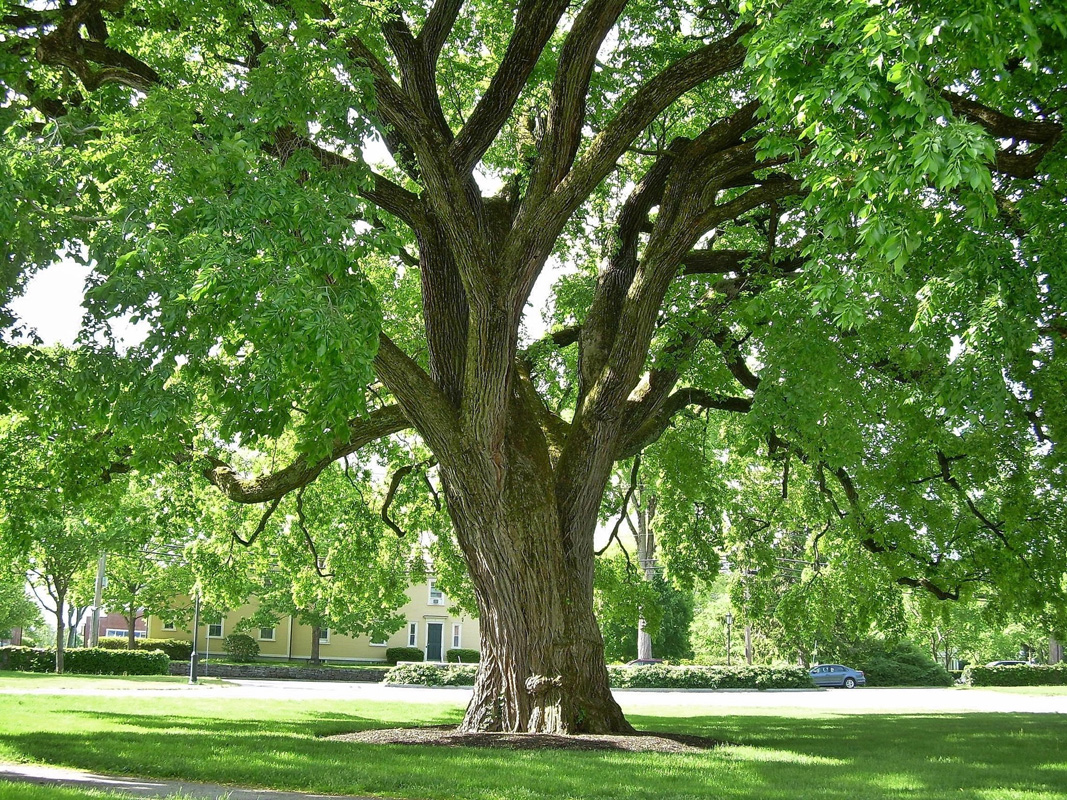
Additionally, identify mature, healthy trees that you wish to preserve. Large hardwood trees provide natural windbreaks, shade, and significant curb value to finished homes. These designated trees must be marked clearly with barrier fencing around their drip lines to prevent heavy machinery from compacting the soil over their delicate root zones.
Selective Vegetation Processing and Soil Preservation
Traditional land clearing methods often involved scraping away topsoil along with brush, leaving behind bare subsoil that erodes quickly during heavy rainfall. Modern property management favors selective processing techniques that clear understory vegetation while preserving topsoil organic layers.
Utilizing a professional forestry mulching service allows landowners to selectively grind dense brush, small trees, and stumps directly on-site into fine organic mulch. This single-step process eliminates the need for burning or hauling away debris piles. The resulting layer of shredded wood spread across the soil acts as a natural erosion control blanket, suppressing weed growth, retaining soil moisture, and providing a stable ground mat for construction traffic.
Once selective clearing is complete, property owners can plan their long-term landscaping strategy. Visiting a well-stocked lawn and garden center early in the development phase helps you source native groundcovers, soil-stabilizing grasses, and ornamental plants that thrive in your region’s microclimate. Integrating native plantings along newly cleared perimeter edges stabilizes exposed soil bankings before weed species take hold.
Earthmoving, Grading & Drainage Prep
Once surface vegetation is managed, attention shifts to manipulating the actual contours of the land. Earthmoving and site grading are responsible for two essential functions: establishing stable, level building pads for structures and directing the natural flow of surface water safely through the property.
Without proper grading, uneven soil settlement can quickly lead to cracked footings, bowing basement walls, and severe structural stress. By systematically cutting away high spots and filling in low zones with engineered, highly compacted soil, operators ensure the ground can support heavy structural loads without shifting over time. At the same time, shaping gentle slopes and cutting swales prevents rain and snowmelt from pooling against your foundation, keeping the entire footprint dry and structurally sound.
Building Pads and Soil Compaction
Every structure—whether a primary home, a detached garage, or a heavy equipment barn—requires an engineered building pad. Excavating down to stable, load-bearing subsoil is critical. Organic topsoil must be stripped away from building footprints because organic matter decays over time, creating empty voids that lead to uneven floor settling.
Once raw subsoil is exposed, it is built back up to design grade using engineered fill dirt or crushed rock, laid down in lifts and compacted with heavy rollers. Proper soil compaction ensures that the site can support thousands of pounds of concrete and timber without shifting over time.
Master Surface Drainage Design
Water is the single greatest threat to structural longevity. During major storm events, an unmanaged property can experience severe topsoil erosion, deep trench washouts, and flooded subfloors.
To manage heavy rainfall:
-
Establish a High Point: Position structural pads at the highest practical elevation on the building envelope so surface water naturally drains away on all sides.
-
Cut Grass Swales: Carve broad, shallow earthen channels along property contours to catch sheet-flow water and gently guide it toward natural discharge zones or retention ponds.
-
Install Catch Basins and Culverts: Place heavy-duty catch basins at low points along driveways and install corrugated pipe culverts beneath access road crossings to prevent water from washing over driving surfaces.
Contracting skilled excavation services ensures that heavy earthmoving equipment—such as dozers, track excavators, and motor graders—can establish precise, laser-verified slope gradients across your entire acreage.
Beyond primary earthwork, the rough grading phase is also the ideal time to prep areas designated for outdoor living features. Coordinating early earthwork with specialized hardscaping companies allows crews to cut out structural terraces, level patio sub-bases, and dig footings for heavy stone retaining walls while heavy excavators are already on-site.
Establishing Private Water Utilities & Wells
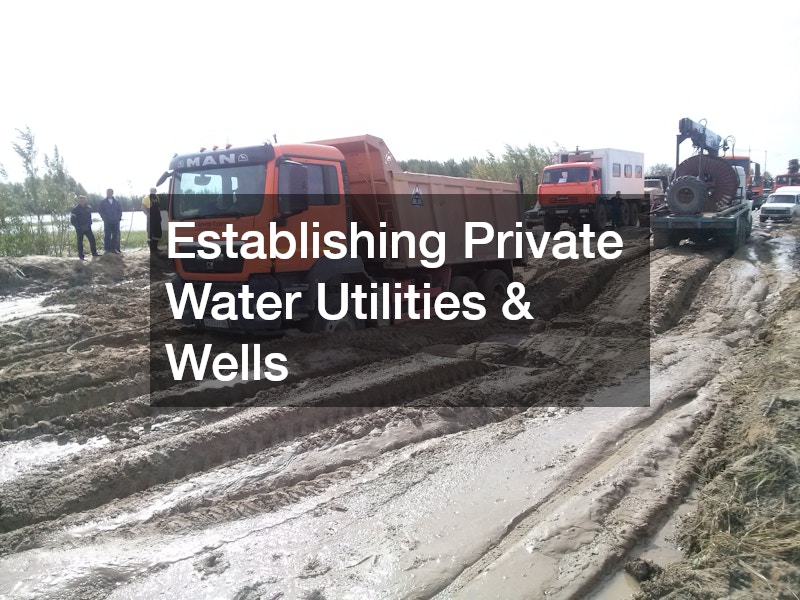
In rural property development, access to municipal water supplies is rarely available. Establishing an independent, safe, and high-yield water supply is therefore one of the most vital milestones in the entire site preparation checklist. Without guaranteed potable water, residential construction cannot proceed to completion.
Siting and Drilling Underground Water Sources
Determining where to sink a well requires evaluating local geology, groundwater tables, and strict regulatory setback distances. Wells must be positioned far away from potential contamination sources—typically at least 50 feet from septic tanks, 100 feet from septic drain fields, and well clear of livestock pens or chemical storage areas.
Partnering with an experienced local drilling service ensures that your borehole is drilled deep into stable bedrock aquifers. Professional drillers monitor geological strata as they penetrate soil and rock, driving steel casing down to seal out shallow, contaminated surface water and tapping into pure underground streams.
Well System Components and Performance Testing
Once a water-bearing aquifer is reached, the well must be completed with proper mechanical infrastructure:
-
Submersible Pump: Sized to match both the depth of the well and the peak gallon-per-minute flow requirements of the household.
-
Check Valves: Installed above the pump to prevent elevated water columns from flowing backward and damaging the pump motor.
-
Pressure Tank: Located inside the home or utility room to maintain steady house water pressure and prevent constant pump cycling.
-
Water Quality Testing: Comprehensive laboratory testing to verify that water is free of harmful bacteria, nitrates, heavy metals, or excessive mineral hardness.
Over time, water well performance can fluctuate due to mineral buildup, sand infiltration, or electrical switch wear. Partnering with certified specialists for well pump repair services guarantees that pressure switches remain calibrated, check valves seal properly, and emergency water outages are resolved rapidly.
Managing On-Site Utilities & Concrete Infrastructure
With initial grading complete and a water source established, site development moves into installing heavy sub-grade utility lines and pouring permanent concrete infrastructure. This stage bridges the gap between raw earthwork and structural building construction.
Comprehensive Utility Line Integration
Coordinating the installation of underground utilities requires careful sequencing so that freshly dug trenches do not destabilize adjacent building footings or cross over each other dangerously. Main water lines must always be buried below the regional frost depth to prevent freezing in winter. Electrical service lines, communication conduits, and propane gas piping should be laid in dedicated trenches with proper safety warning tape buried above them.
When expanding or upgrading comprehensive property water systems, relying on full-service well services helps integrate storage holding tanks, booster pumps, and filtration equipment seamlessly into your main home distribution network.
Concrete Sourcing, Formwork, and Structural Pours
Concrete is the primary load-bearing material used across residential site preparation. From home footings and poured basement walls to utility pads, barn slabs, and retaining structures, high-grade concrete masonry provides unmatched strength and longevity.
Executing durable concrete work requires strict attention to material sourcing and mixing. Working with a reputable concrete business ensures that you receive precision-mixed, strength-tested ready-mix concrete formulated specifically for your climate’s freeze-thaw conditions and structural weight requirements.
Key rules for pouring structural concrete include:
-
Verify Subgrade Stability: Never pour concrete on loose, muddy, or frozen soil. Base soil must be well-compacted and covered with a gravel capillary break.
-
Incorporate Steel Reinforcement: Install deformed steel rebar grids or heavy-duty wire mesh elevated on chairs to handle tensile loads within the concrete slab.
-
Control Curing Speed: Keep fresh concrete moist and shaded during hot weather to prevent rapid drying, which leads to surface shrinkage cracks and structural weakening.
Access Roads, Driveways & Surface Paving
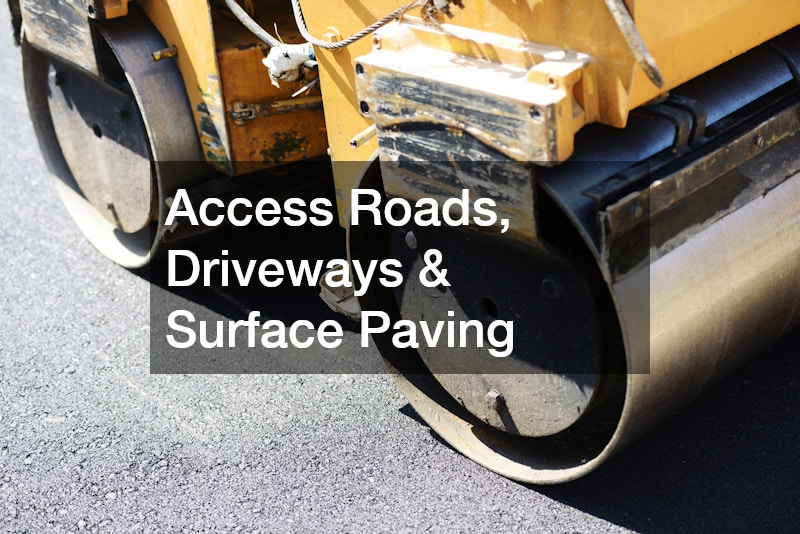
The final major phase of heavy site work focuses on establishing durable, weatherproof access across the property. A poorly built access road or driveway will quickly turn into a muddy rutted track under heavy vehicle loads, preventing construction delivery trucks from reaching the site and damaging passenger vehicles.
Building long-lasting driving surfaces requires constructing a heavy sub-base layer capable of distributing wheel loads while allowing water to drain away freely beneath the pavement.
Sub-Base Construction and Aggregate Sizing
The strength of any paved surface comes from what lies beneath it. Simply laying asphalt or concrete over raw dirt guarantees rapid failure.
To build a professional driveway sub-base:
-
Excavate Unsuitable Soil: Strip topsoil down to dense subsoil along the entire road corridor.
-
Lay Geotextile Fabric: Place woven stabilization fabric over soft clay subgrade to prevent gravel from sinking into the dirt over time.
-
Add Heavy Sub-Base Aggregate: Spread a six-to-twelve-inch lift of large crushed rock (such as 3-inch breaker run or ballast) to create a rigid, load-distributing foundation.
-
Top with Fine Base Material: Add a three-to-four-inch layer of crushed aggregate with fines (such as dense grade crushed limestone) and compact it thoroughly with a heavy vibrating roller.
Choosing and Laying Final Surface Materials
Once the crushed stone base is thoroughly compacted and shaped with a one-to-two percent center crown, the final wearing surface can be applied.
Consulting with an experienced paving contractor helps you choose the best surface material—whether crushed gravel, poured concrete, or hot-mix asphalt—based on your property’s slope steepness, regional climate, and expected traffic volume.
For long residential driveways and private access roads, hot-mix asphalt offers an ideal balance of durability, smooth ride quality, and cost efficiency. Engaging specialized asphalt paving contractors ensures that hot asphalt is laid at the proper high temperatures, spread evenly across the base, and compacted with heavy tandem rollers to form a tight, water-impermeable driving surface.
Building a Property That Lasts

Mastering site work is about respecting the physical reality of land development. Every step in the site prep process directly impacts the next: clean forestry mulching makes accurate land surveying possible; precise excavation and earthmoving ensure foundation concrete stays dry; deep utility drilling guarantees water availability; and rock-solid sub-base compaction protects surface paving from cracking under load.
By following a structured, step-by-step site work checklist and partnering with experienced site work professionals across every discipline, you eliminate the guesswork from land development. Taking the time to prepare your land correctly from the ground up transforms a raw parcel into a safe, functional, and highly valuable home site that will serve your family for generations. Shortcuts taken underground or during site prep will always reveal themselves eventually, usually through costly emergency repairs. Investing in proper earthwork and utility infrastructure today ensures your property remains structurally sound and disaster-free for decades.